
Jun 15, 2026
Divorce by Mutual Consent in India: Procedure, Timeline and Documents (2026 Guide)
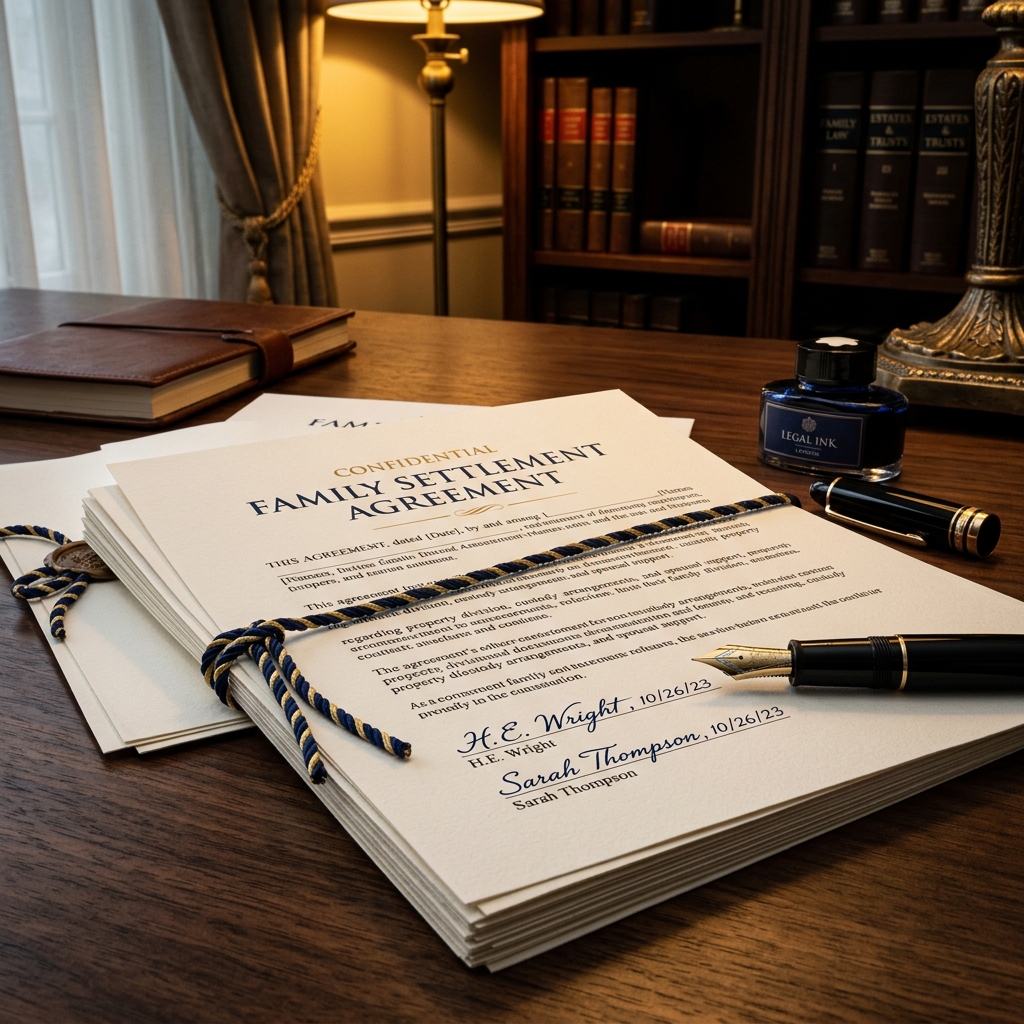
When a marriage has irretrievably broken down and both spouses agree to separate amicably, filing for mutual consent divorce is the fastest, least traumatic, and most dignified legal route available under Indian law.
A Divorce by Mutual Consent in India is governed primarily by Section 13B of the Hindu Marriage Act, 1955 (and corresponding provisions under the Special Marriage Act, 1954 and Christian Marriage Act). Engaging a knowledgeable Divorce Lawyer in Delhi ensures that terms regarding alimony, child custody, and property division are legally finalized without future disputes.
Statutory Prerequisites for Mutual Consent Divorce
To file a joint petition for mutual consent divorce under Section 13B(1), the following conditions must be satisfied:
- Both spouses have been living separately for a minimum period of 1 year.
- Both spouses have not been able to live together.
- Both spouses have mutually agreed that the marriage should be dissolved.
Key Terms to Settle in a Mutual Divorce Agreement
Before filing the petition, both parties must execute a comprehensive Memorandum of Understanding (MOU) covering:
- Alimony & Maintenance: Fixed one-time permanent alimony settlement or monthly maintenance terms.
- Child Custody & Visitation: Joint, sole, or physical custody arrangement along with clear visitation schedules.
- Return of Stridhan & Assets: Exchange and return of jewellery, gifts, joint bank account balances, and shared real estate rights.
- Withdrawal of Pending Cases: Agreement to withdraw all pending civil/criminal complaints (e.g., Section 498A IPC/BNSS, Domestic Violence Act, Maintenance under Section 125 CrPC/BNSS).
Step-by-Step Procedure for Mutual Consent Divorce
Step 1: Drafting Joint Petition & Filing (First Motion)
Both parties file a joint petition supported by affidavits before the Family Court having jurisdiction where the marriage was solemnized, where the parties last resided together, or where the wife currently resides.
Step 2: Recording Statements & First Motion Order
The Family Court judge examines the petition, records the statements of both spouses on oath, and passes an order allowing the First Motion.
Step 3: Statutory Cooling-Off Period (6 Months)
Under Section 13B(2), law provides a 6-month waiting period between the First and Second Motion to give couples time for reconsideration.
Note: The Supreme Court of India in landmark rulings (Amardeep Singh v. Harveen Kaur) held that the 6-month statutory waiting period can be waived by the Family Court if all terms are settled and waiting would prolong agony.
Step 4: Filing Second Motion
After the expiry of the statutory period (or waiver), parties file the Second Motion petition confirming their decision to dissolve the marriage.
Step 5: Final Hearing & Divorce Decree
The judge records final statements, verifies compliance with the settlement agreement, and grants a decree of divorce dissolving the marriage.
Essential Documents Required
- Marriage Certificate or Wedding Invitation Card with photographs
- Passport-size photographs of both husband and wife
- Proof of identity and residential address (Aadhaar, Passport, Voter ID)
- Proof of separate living for more than one year
- Evidence of failed reconciliation attempts
- Draft MOU / Settlement Agreement specifying alimony and custody terms
Conclusion
Divorce by mutual consent provides a smooth legal path to dissolve a marriage amicably while safeguarding individual rights, child welfare, and financial security. Proper legal drafting of the settlement agreement is vital to prevent future litigation.
For sensitive, confidential, and professional guidance on family law matters, feel free to contact our chambers to consult a family court advocate.