
Jul 20, 2026
Maintenance and Alimony in Divorce: What Does Indian Law Provide? (2026 Guide)
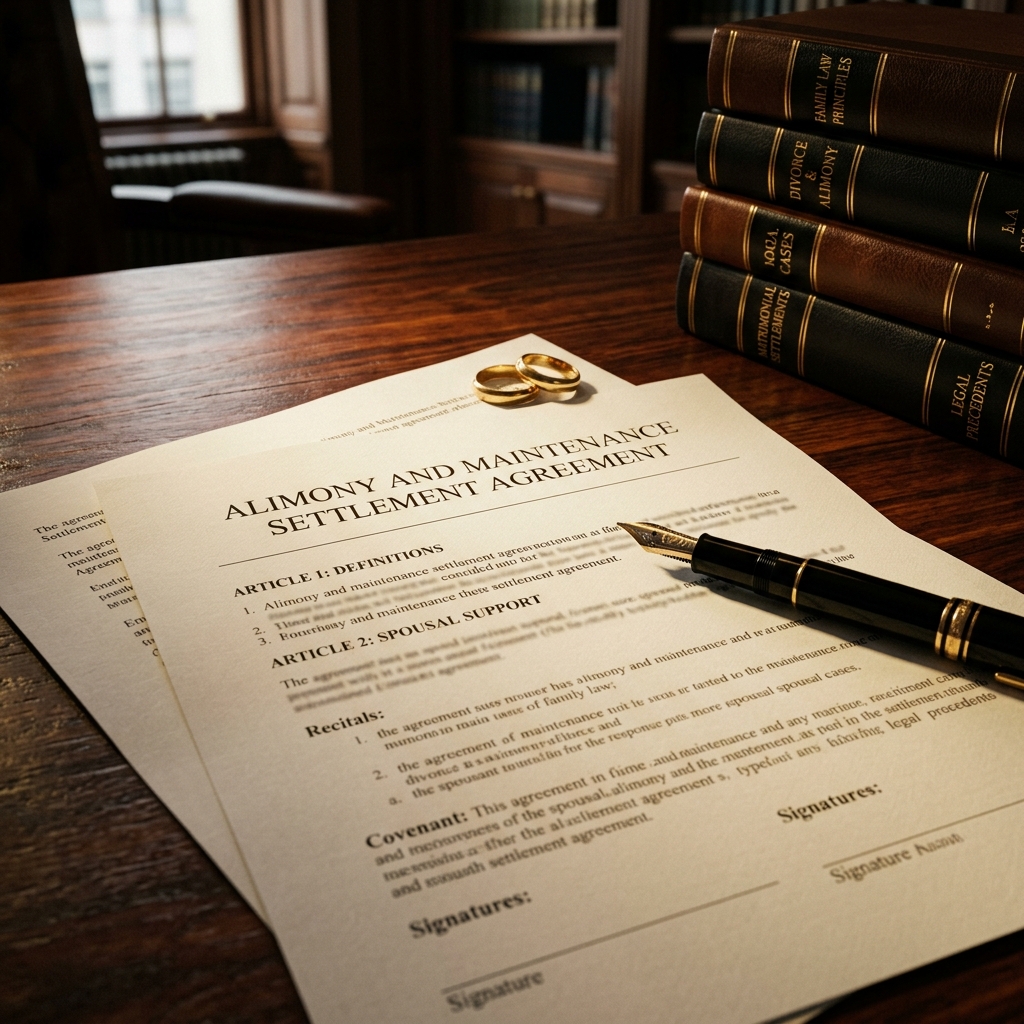
Divorce proceedings in India involve not just the dissolution of marriage but also critical financial determinations regarding maintenance, alimony, and child support. Indian law provides multiple statutory frameworks to ensure that the financially dependent spouse and children receive adequate financial support during and after divorce.
Understanding your rights to maintenance and alimony under Indian law is essential whether you are the claimant or the respondent. Consulting a Divorce Lawyer in Delhi ensures that your financial interests are properly represented before the Family Court.
Difference Between Maintenance and Alimony
- Maintenance: Periodic financial support (usually monthly) paid by one spouse to the other for sustenance. Can be interim (during proceedings) or permanent (post-decree).
- Alimony: A lump-sum or one-time financial settlement granted at the time of divorce decree. Often used interchangeably with permanent maintenance.
Statutory Provisions for Maintenance in India
1. Section 125 CrPC / Section 144 BNSS — Maintenance of Wives, Children, and Parents
This is a secular provision available to all religions. Key features:
- Wife, minor children, and aged parents can claim maintenance.
- The claimant must demonstrate that they are unable to maintain themselves.
- Maximum maintenance under Section 125 has no statutory ceiling — courts determine the amount based on the respondent's income and the claimant's needs.
- A petition under Section 125 can be filed independently or alongside divorce proceedings.
2. Hindu Marriage Act, 1955 — Sections 24 and 25
- Section 24 (Interim Maintenance / Maintenance Pendente Lite): Maintenance and litigation expenses payable during the pendency of any matrimonial proceeding.
- Section 25 (Permanent Alimony and Maintenance): Granted at the time of or after the divorce decree. The Court considers the respondent's income, the applicant's own income, conduct of parties, and duration of marriage.
3. Protection of Women from Domestic Violence Act, 2005
Under Section 20 of the DV Act, an aggrieved wife can seek monetary relief including maintenance, rent, and medical expenses from the respondent, even without filing for divorce.
4. Muslim Women (Protection of Rights on Marriage) Act, 2019
Muslim women can claim maintenance and alimony rights under this Act and under Section 125 CrPC / BNSS, as affirmed by the Supreme Court.
Factors Courts Consider When Determining Alimony
- Income and earning capacity of both spouses
- Standard of living during the marriage
- Duration of the marriage
- Age, health, and educational qualifications of the claimant
- Custody of children and childcare responsibilities
- Contribution of the spouse to the household and the other's career
- Conduct of the parties
- Any prenuptial or postnuptial agreements
Supreme Court Guidelines on Maintenance Quantum
The Supreme Court in Rajnesh v. Neha (2020) issued comprehensive guidelines on maintenance matters:
- Both parties must file income and asset affidavits.
- Overlapping maintenance orders under different statutes should be adjusted to avoid double recovery.
- The date from which maintenance becomes payable should generally be the date of filing the application.
- Courts should consider the cumulative total of maintenance granted under all proceedings.
Enforcement of Maintenance Orders
If the respondent fails to pay court-ordered maintenance:
- The claimant can file an execution petition before the Family Court.
- The court can attach and sell the respondent's property.
- Wilful non-payment can result in imprisonment under Section 125(3) CrPC / BNSS.
- For persistent non-compliance, approaching the High Court through a contempt petition is an option.
Conclusion
Maintenance and alimony are legal rights designed to ensure financial fairness during and after divorce. Proper legal representation ensures that claims are accurately valued, documented, and enforced before the appropriate forum.
For confidential guidance on divorce, maintenance, alimony, or child support matters, contact our chambers to consult a family law advocate.